Industrial Applications
1. Oil, Gas & Petrochemical
1 Well screen sand control tubes
2 Oil casing perforated filters
3 Pipeline strainer baskets
4 Refinery catalyst support cylinders
5 Hydraulic & lube oil filtration
2. Chemical & Pharmaceutical
1 Reactant and solvent filtration
2 Polymer melt filtration in synthetic fiber production
3 Active pharmaceutical ingredient (API) screening
4 Catalyst recovery and separation
3. Food & Beverage
4. Water & Wastewater Treatment
1 Intake screen cylinders
2 Activated carbon filter supports
3 Reverse osmosis pre-filtration
4 Sludge dewatering screens
5. Power Generation & Automotive
1 Fuel filter cores
2 Exhaust system components
3 Cooling water filtration
4 Air intake filters for turbines
6. Mining & Minerals
1 Ore classification screens
2 Aggregate sieving drums
3 Mineral processing centrifuge baskets
Manufacturing Process & Quality Assurance
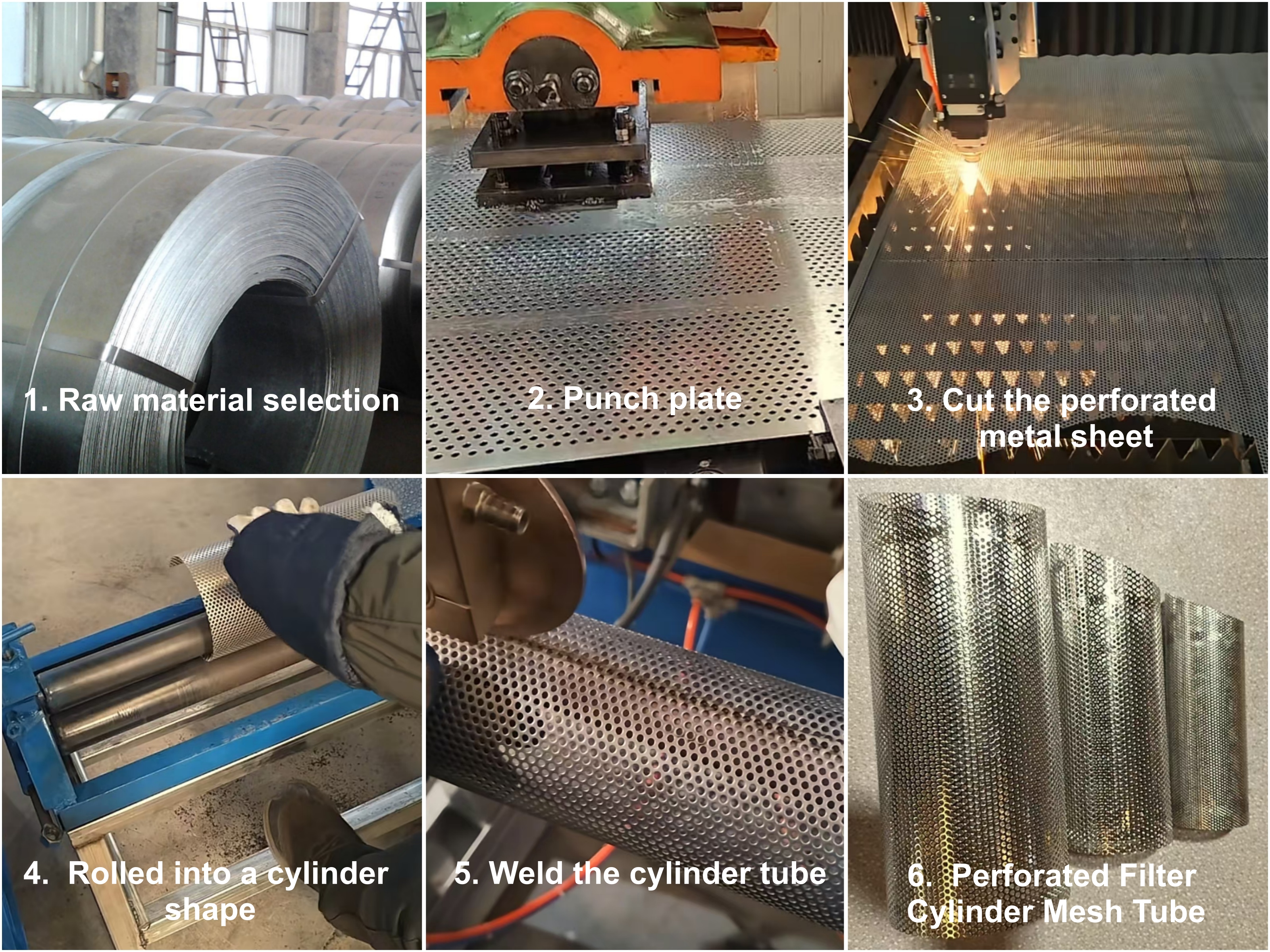
Our perforated filter cylinder mesh tubes are produced under strict ISO 9001:2015 quality management systems:
1 Material Sourcing – Mill test certificates (EN 10204 3.1) provided for all raw materials; PMI (Positive Material Identification) verification available.
2 CNC Precision Punching – Computer-controlled punch presses ensure hole diameter tolerance within ±0.05 mm and consistent pitch accuracy.
3 Forming & Rolling – Automated rolling machines achieve precise cylindrical geometry with roundness tolerance ≤ 0.5% of diameter.
4 Welding – Certified welders perform TIG/argon arc welding with full penetration; weld seams are inspected visually and by dye penetrant testing.
5 Surface Finishing – Electropolishing, pickling, and passivation remove surface contaminants and enhance corrosion resistance.
6 Dimensional Inspection – CMM (Coordinate Measuring Machine) verification of OD, ID, length, and perpendicularity.
7 Performance Testing – Hydrostatic pressure testing, bubble point testing (for mesh layers), and flow rate validation available upon request.
Customization Capabilities
We specialize in fully customized perforated filter cylinders tailored to your exact operational requirements:
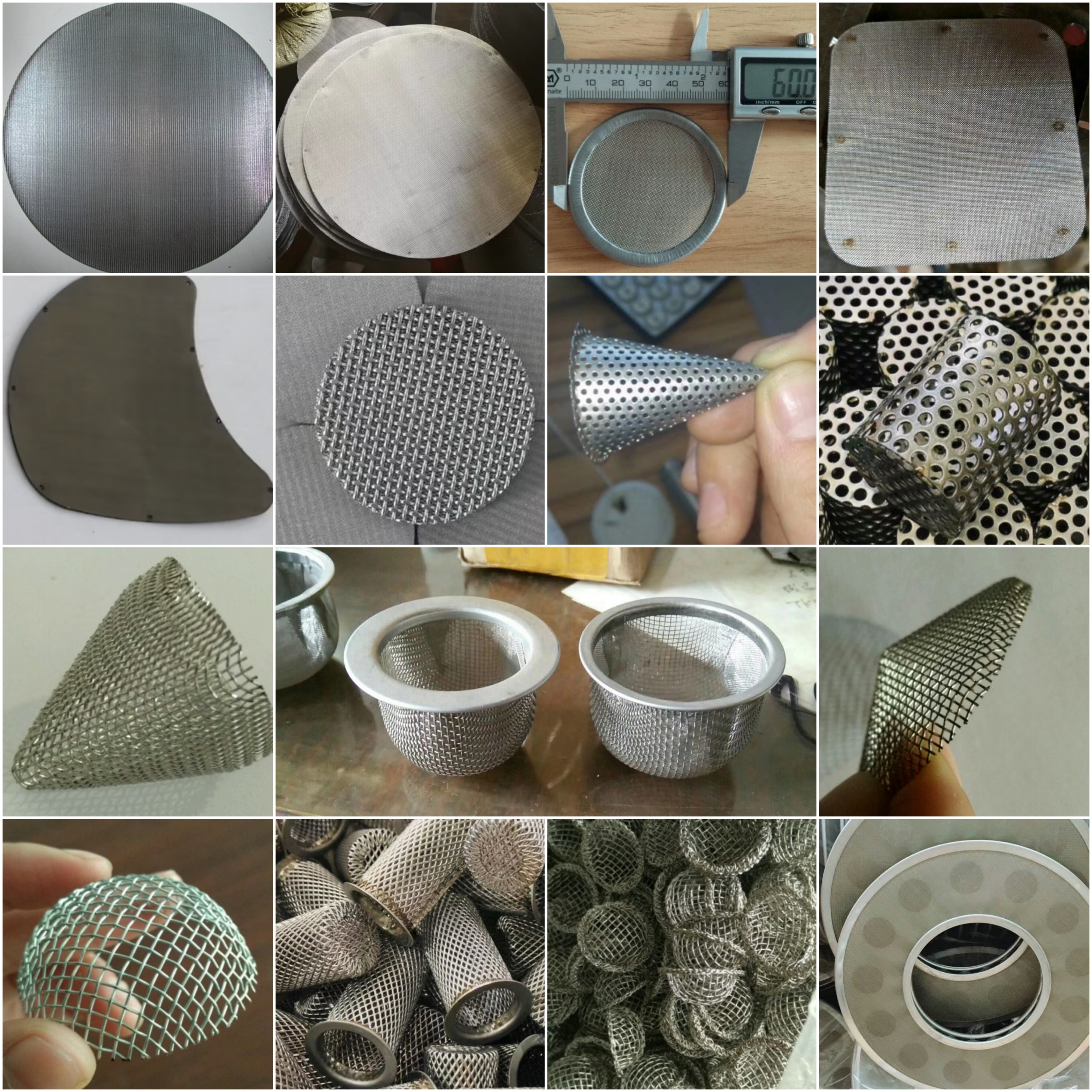
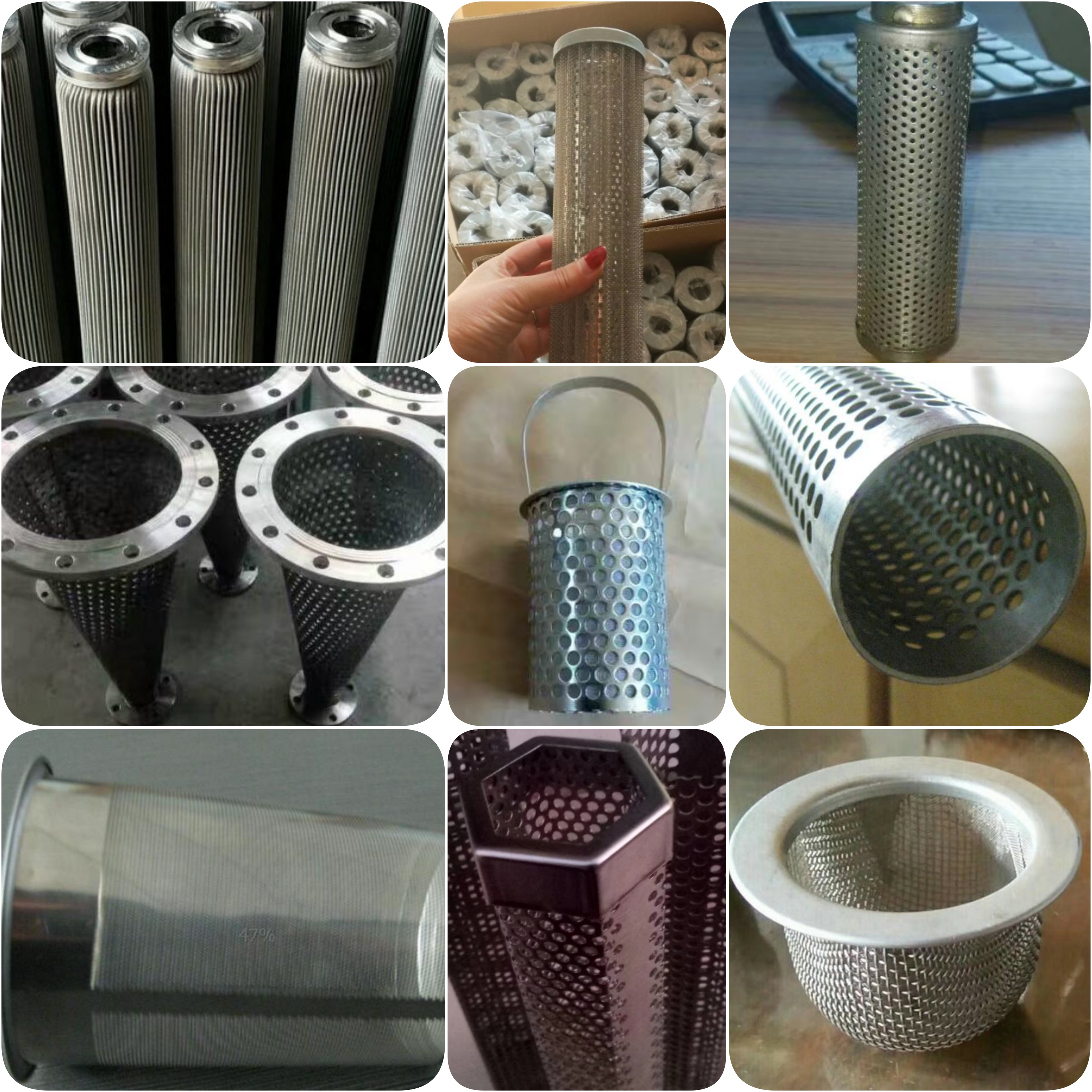
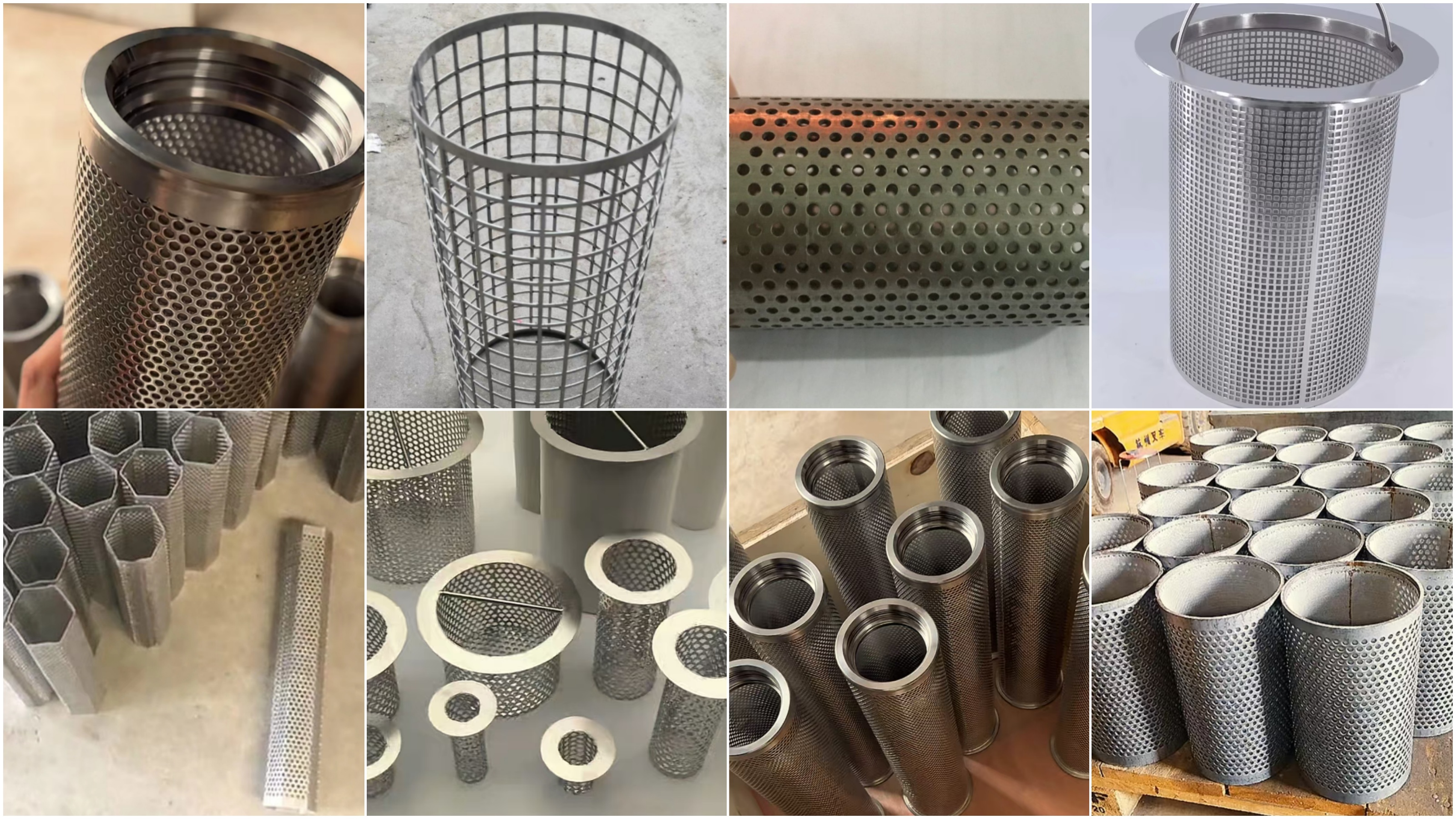
1 Non-standard geometries: Conical filters, toroidal shapes, rectangular/square cross-sections, basket-type containers
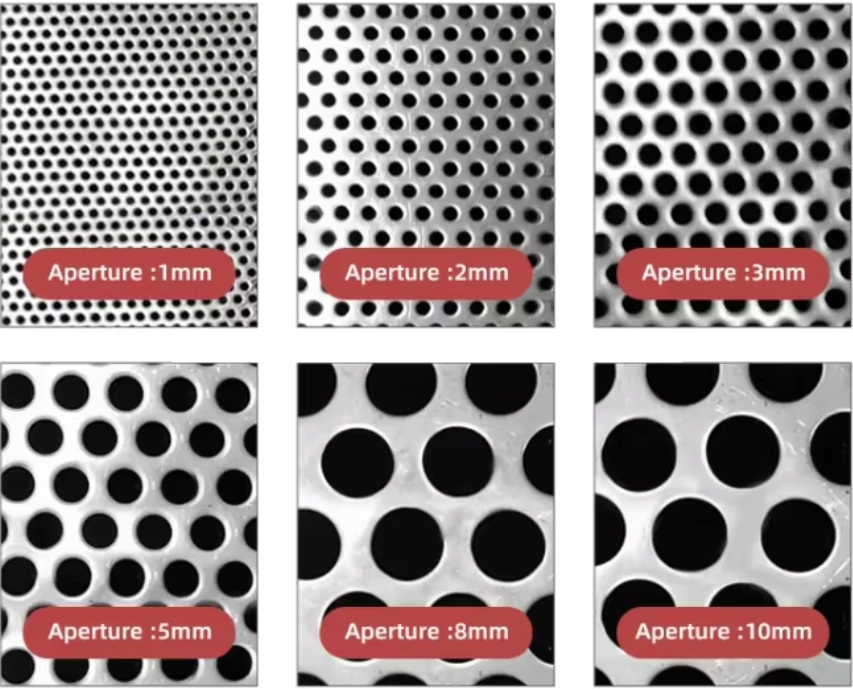
2 Special hole patterns: Micro-perforation (sub-millimeter), decorative patterns, graduated hole sizing
3 Integrated fittings: Welded flanges, threaded NPT/BSP ends, quick-connect couplings, handle attachments
4 Multi-layer assemblies: Combination of perforated support tube + sintered mesh + woven wire cloth + protective outer shroud
5 Marking & traceability: Laser-etched part numbers, batch codes, and material grade markings
Frequently Asked Questions (FAQ)
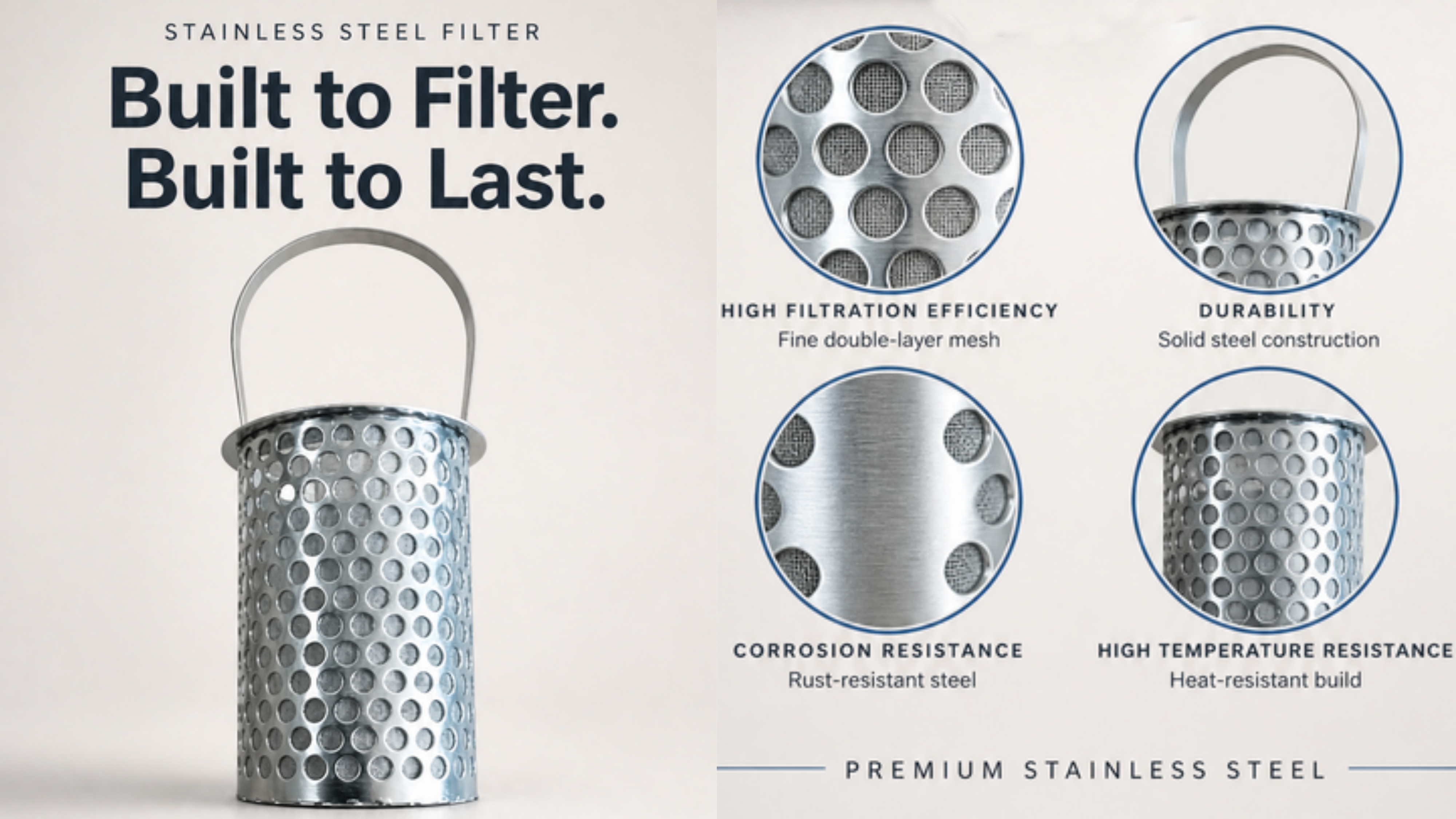
Q1: What is the difference between a perforated filter tube and a wire mesh filter cylinder? A perforated filter tube is made from sheet metal with punched holes, providing structural rigidity and coarse to medium filtration (typically >50 μm). A wire mesh filter cylinder uses interwoven wires to create precise micron-rated filtration. Many high-performance filters combine both: a perforated metal outer cylinder for structural support and an inner wire mesh layer for fine particle retention.
Q2: What open area percentage should I choose for my application? Open area selection depends on your flow rate, viscosity, and particle loading. Higher open area (50%–69%) is ideal for low-viscosity liquids and high-flow gas applications. Lower open area (23%–40%) provides greater structural strength and is preferred for heavy particulate loads or viscous media. Our engineers can calculate the optimal open area based on your process parameters.
Q3: Can perforated filter cylinders be used for high-pressure applications? Yes. By increasing wall thickness, selecting smaller hole diameters with staggered patterns, and using high-strength materials like Duplex 2205 or 316L, perforated cylinders can be designed to withstand pressures exceeding 100 bar (1,450 psi). We recommend specifying your operating pressure when requesting a quotation.
Q4: How do I clean and maintain a perforated metal filter tube? Perforated metal tubes can be cleaned through backflushing (reverse flow), ultrasonic cleaning in solvent baths, chemical pickling, or mechanical brushing. The cleaning method depends on the captured contaminant type. Stainless steel tubes can also withstand steam-in-place (SIP) sterilization for sanitary applications.
Q5: What is the typical lead time for custom perforated filter cylinders? Standard sizes in SS 304/316 with round hole patterns typically ship within 2–3 weeks. Highly customized designs, specialty alloys, or large-volume orders may require 4–6 weeks. Expedited production is available for urgent requirements.
Q6: Do you provide material certifications and test reports? Yes. All shipments include material mill test certificates (MTC) conforming to EN 10204 3.1. Additional testing including PMI, hydrostatic testing, intergranular corrosion testing (IGC), radiography, and third-party inspection (TPI) can be arranged upon request.