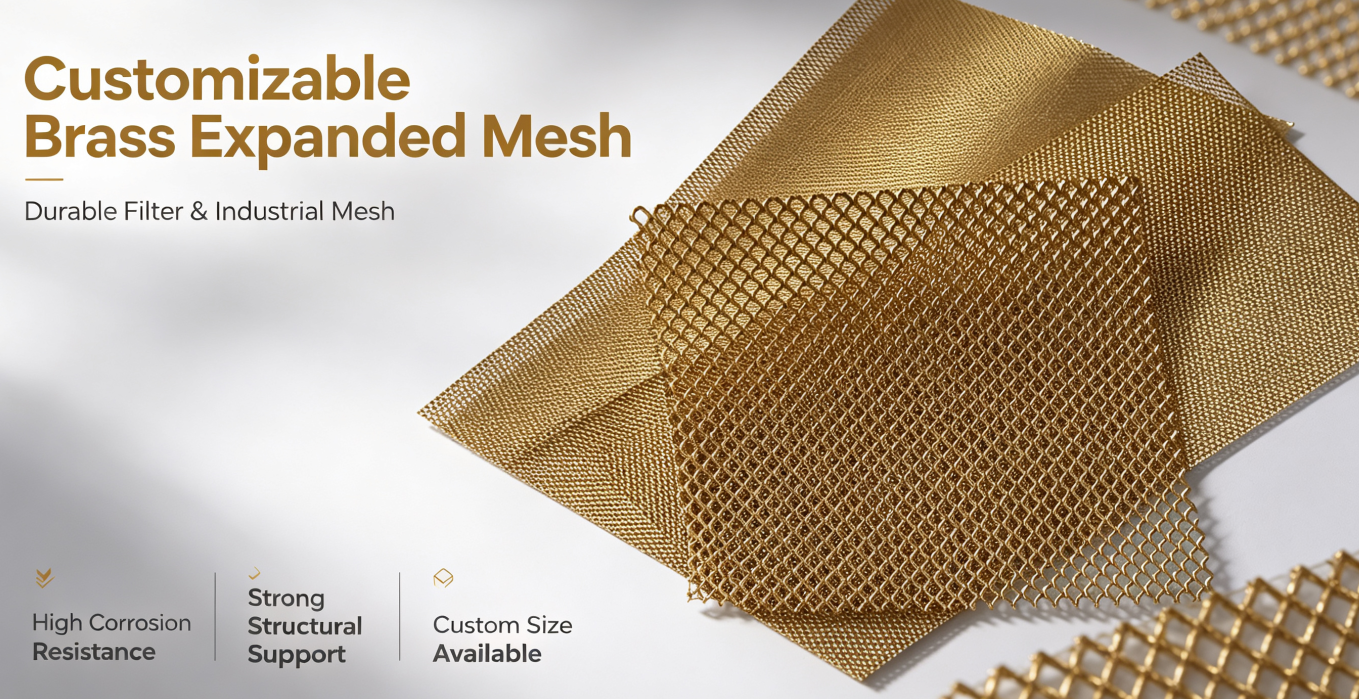
Why Choose Brass for Electromagnetic Shielding?
Brass combines excellent electrical conductivity with superior corrosion resistance, making it ideal for shielding applications in humid, marine, or outdoor environments.
1. Excellent Conductivity for EMI Attenuation
Brass conducts electrical currents efficiently, absorbing and redirecting electromagnetic waves before they penetrate sensitive enclosures. Shielding effectiveness of 80–100 dB (depending on mesh density, frequency range, and installation) can be achieved across common frequency bands.
2. Superior Corrosion Resistance
Compared with plain steel mesh, brass resists oxidation, rust, and chemical corrosion. It maintains stable shielding performance for years — even in coastal, industrial, or high-humidity environments.
3. Non-Magnetic and Non-Sparking
Brass is a non-magnetic alloy and does not produce sparks under friction — a critical advantage for shielding applications near sensitive instruments, ammunition storage, petrochemical facilities, and cleanrooms.
4. Aesthetic Appeal
Its warm golden color makes brass mesh a favorite for architectural EMI shielding — Faraday cages, shielded windows, data-center partitions, and high-end electronic cabinetry where appearance matters as much as performance.
Typical Applications
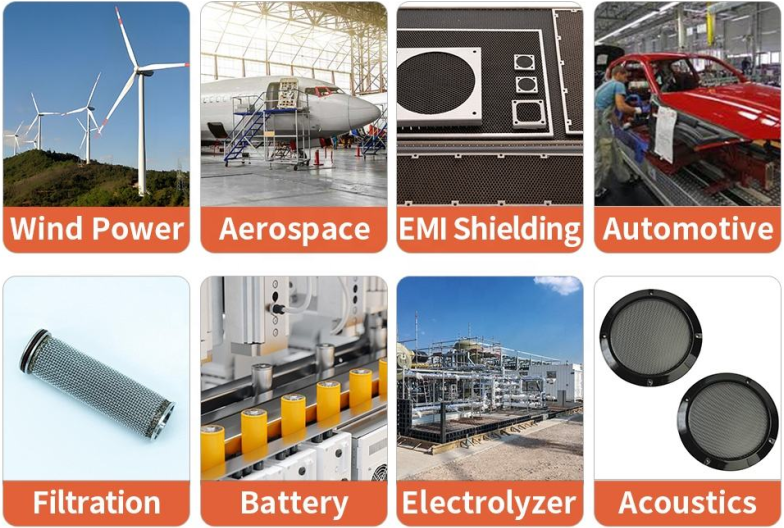
EMI/RFI shielding enclosures for industrial control cabinets and automation equipment
Medical devices — MRI rooms, hospital shielding, diagnostic equipment housings
Military & aerospace — Faraday cages, secure communication shelters, radar equipment
Telecommunications — base-station cabinets, server rooms, data centers
Consumer electronics — shielding panels for high-end audio equipment and test instruments
Building shielding — smart buildings, laboratories, TEMPEST secure facilities
Ventilation & shielding combined — air intake/outlet grilles that block EMI while allowing airflow
Shielding Performance Reference
| Mesh Type | Opening Size (SWD × LWD) | Strand Width | Typical Shielding Effectiveness* |
|---|
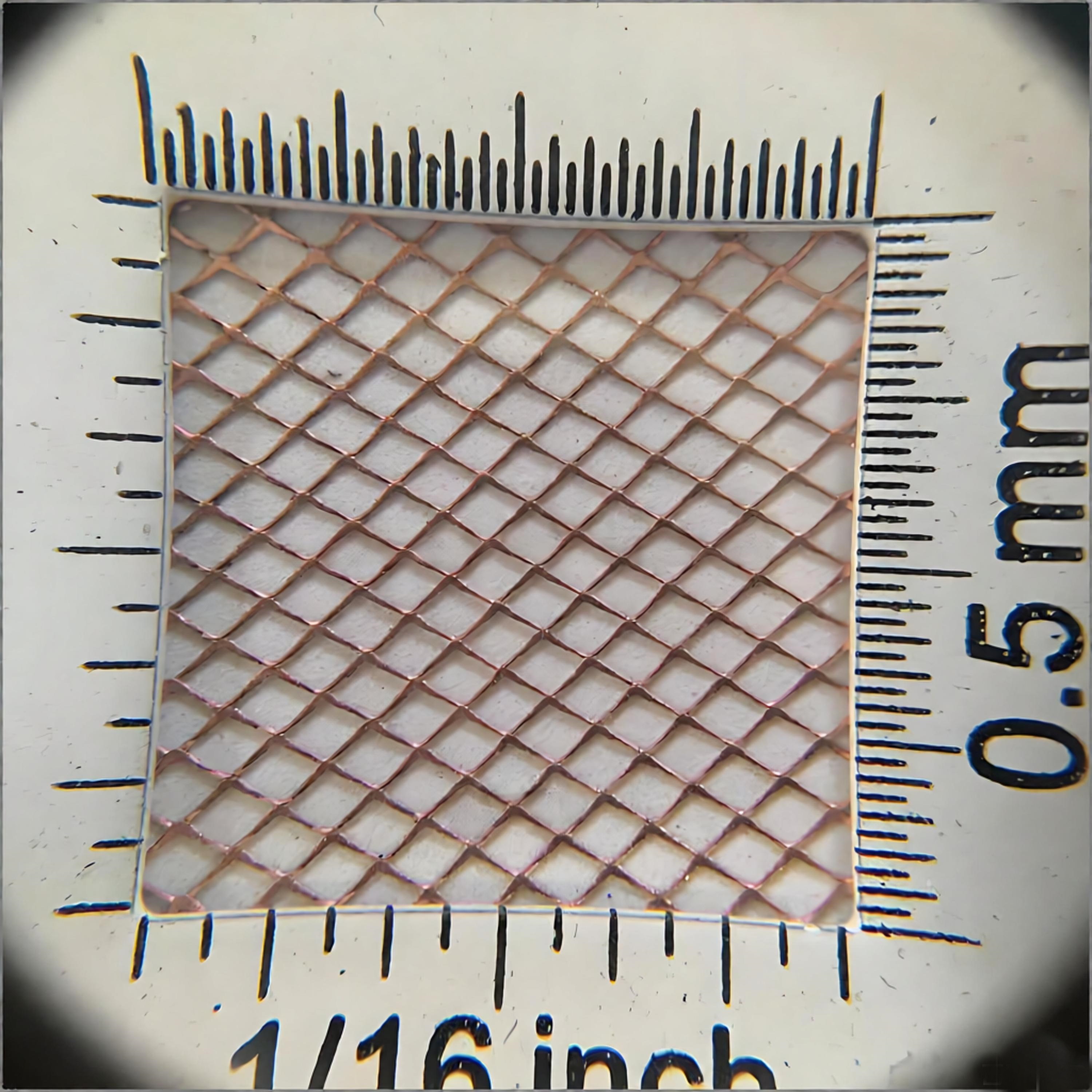
| Fine mesh | 2 × 4 mm | 0.5 mm | 90–100 dB |
| Standard mesh | 5 × 10 mm | 1.0 mm | 85–95 dB |
| Medium mesh | 10 × 20 mm | 1.5 mm | 80–90 dB |
| Heavy mesh | 15 × 30 mm | 2.5 mm | 75–85 dB |
*Actual performance depends on frequency range, grounding method, frame contact, and installation quality. Contact us for test reports tailored to your application.
Why Expanded Metal Mesh Instead of Woven Mesh?
| Feature | Expanded Metal Mesh | Woven Wire Mesh |
|---|
| Structural strength | High — one continuous piece | Lower — relies on wire intersections |
| Electrical continuity | Complete — no joints | Depends on wire crossing contact |
| Service life | Long — no fraying or unraveling | May fray at cut edges |
| Airflow + shielding balance | Excellent | Good |
| Installation | Rigid, easy to frame and fix | Flexible, needs tensioning |
| Cost (long-term) | Lower maintenance cost | Higher replacement frequency |
Customization & Manufacturing Capabilities
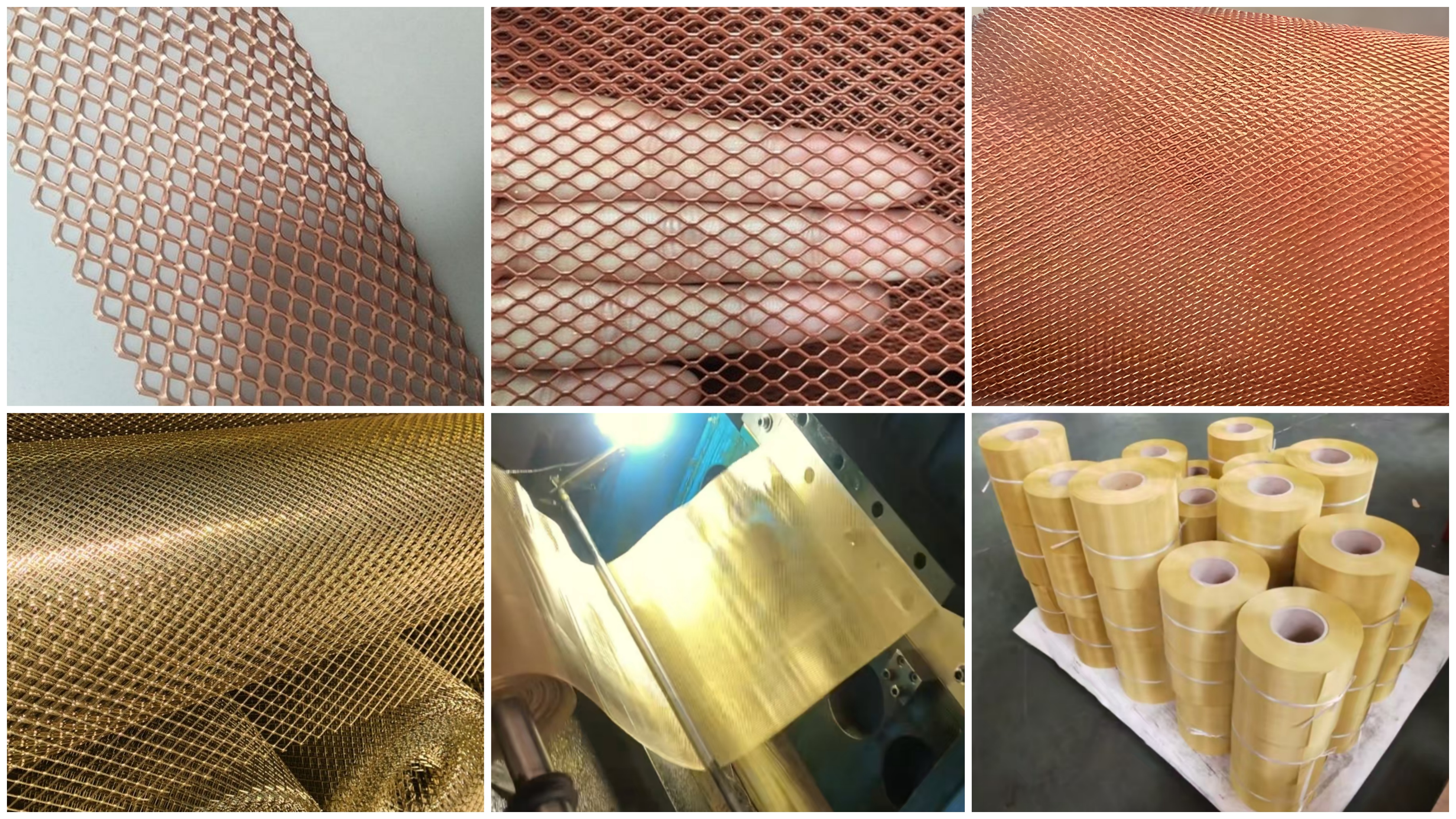
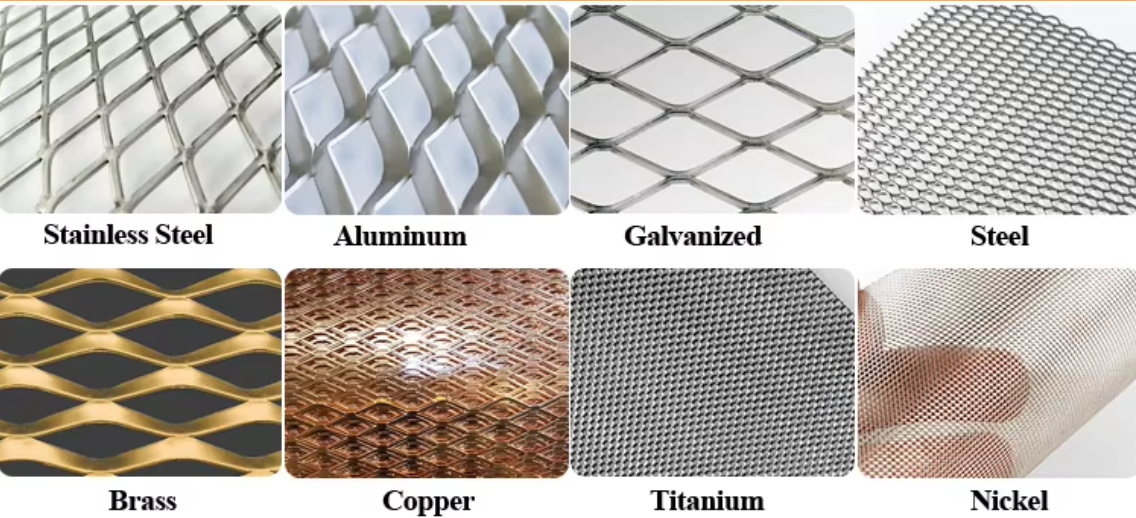
We supply brass expanded metal mesh in fully customized specifications:
Custom sheet/roll dimensions — sheared to your exact drawings
Perforated & expanded combination panels
Stamped shielding gaskets and frames
Brass mesh laminates with conductive adhesive backing
Small-batch prototyping to mass production
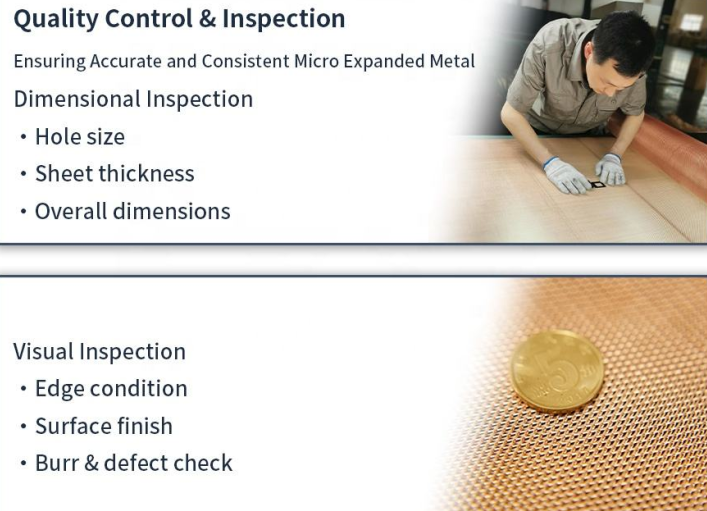
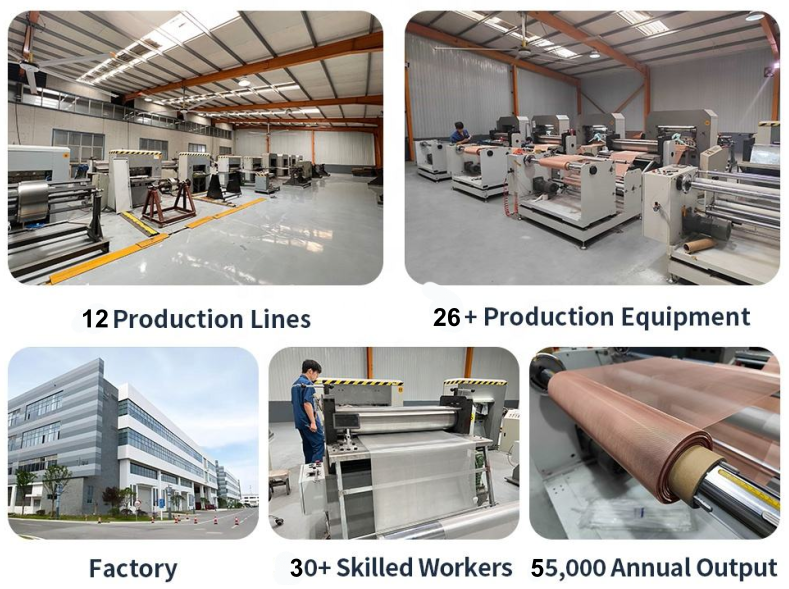
Every batch undergoes strict quality inspection for strand thickness, opening tolerance, surface finish, and conductivity before shipment.